Advanced Driver Assistance Systems or “ADAS” are becoming a normal part of automotive repair. Cameras, radar, sensors, lane assistance, automatic braking, and other safety systems are now packed into modern vehicles.
But repairing these vehicles creates a new problem for automotive shops: liability.
A recent Vehicle Service Pros article, “On ADAS Calibration: No Room for Chances,” takes a close look at the risks surrounding ADAS calibration. It’s a new frontier in the law, and auto repair shops need to tread carefully. What can vehicle repair shops do to protect themselves? Our lead attorney, William Ferreira, was interviewed extensively for the article. Ferreira offered a legal perspective on ADAS compliance, documentation, and insurance. He also gave his decades-long perspective on the role of the Bureau of Automotive Repair and how shops can fight to protect their rights.
Ferreira makes a simple point: a repair or inspection doesn’t need to cause an accident to become a sticky legal problem.
In California, a customer complaint can spur the Bureau of Automotive Repair to action. A customer may claim the vehicle was unsafe, the repair was improper, or the shop failed to follow the correct calibration procedures. According to Ferreura, the BAR can then demand detailed records on what was done, when, how, and by whom. This makes documentation critical.
The article recommends that shops document ADAS work in excruciating detail. That means more than saving a computer screen showing that a calibration passed. Shops should consider keeping photographs, videos, screenshots, measurements, scan results, and records showing how targets and equipment were positioned.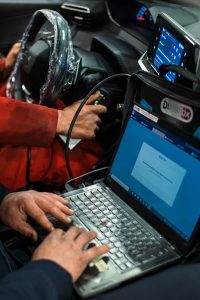
Documentation is Key
Ferreira also recommends documenting the actual OEM procedures used at the time of the repair. Manufacturer requirements change. If a repair performed today is questioned years later, the shop should be able to show that what was done was correct at that particular time. Shops should retain ADAS documentation for three years.
The physical environment matters, too. Shops may need to document floor level, lighting, tire pressure, ride height, fuel level, wheel alignment, calibration targets, software updates, and other manufacturer-required conditions.
Is compliance easy? No. Is documentation easy? No. But really shops have no other choices in today’s highly litigious environment.
If a Bureau of Automotive Repair investigation or letter of litigation arrives two years later, nobody wants to rely on a technician’s sketchy memory or poor written records. The shop wants (and needs) detailed information on paper.
The article also discusses insurance. Without giving legal advice, lawyer Ferreira explains that an ordinary business policy may cover negligence but exclude “gross negligence.” That distinction can really matter. Shops performing ADAS work should therefore talk with their insurance agents about coverage specifically designed for ADAS-related risks.
Even outsourcing does not mitigate the risks. If, for example, another company performs the calibration, the repair shop can be liable for supervision. Ferreira recommends working with suppliers that meet “best practices” for the work and documentation.
ADAS compliance should become part of a shop’s everyday routine.
Follow the OEM procedures. Train technicians. Document the work. Keep records. Explain everything to the customer. Address potential legal problems before a BAR complaint arrives in the US mail.
Ferreira calls this “issue spotting.” An ounce of prevention may be worth a pound of cure.